

RABAT – The inauguration of the Royal Theatre of Rabat on Wednesday marked far more than the opening of a new cultural venue, unfolding instead as a statement of national ambition and soft power under the vision of King Mohammed VI to position the Moroccan capital as a global “City of Lights.”
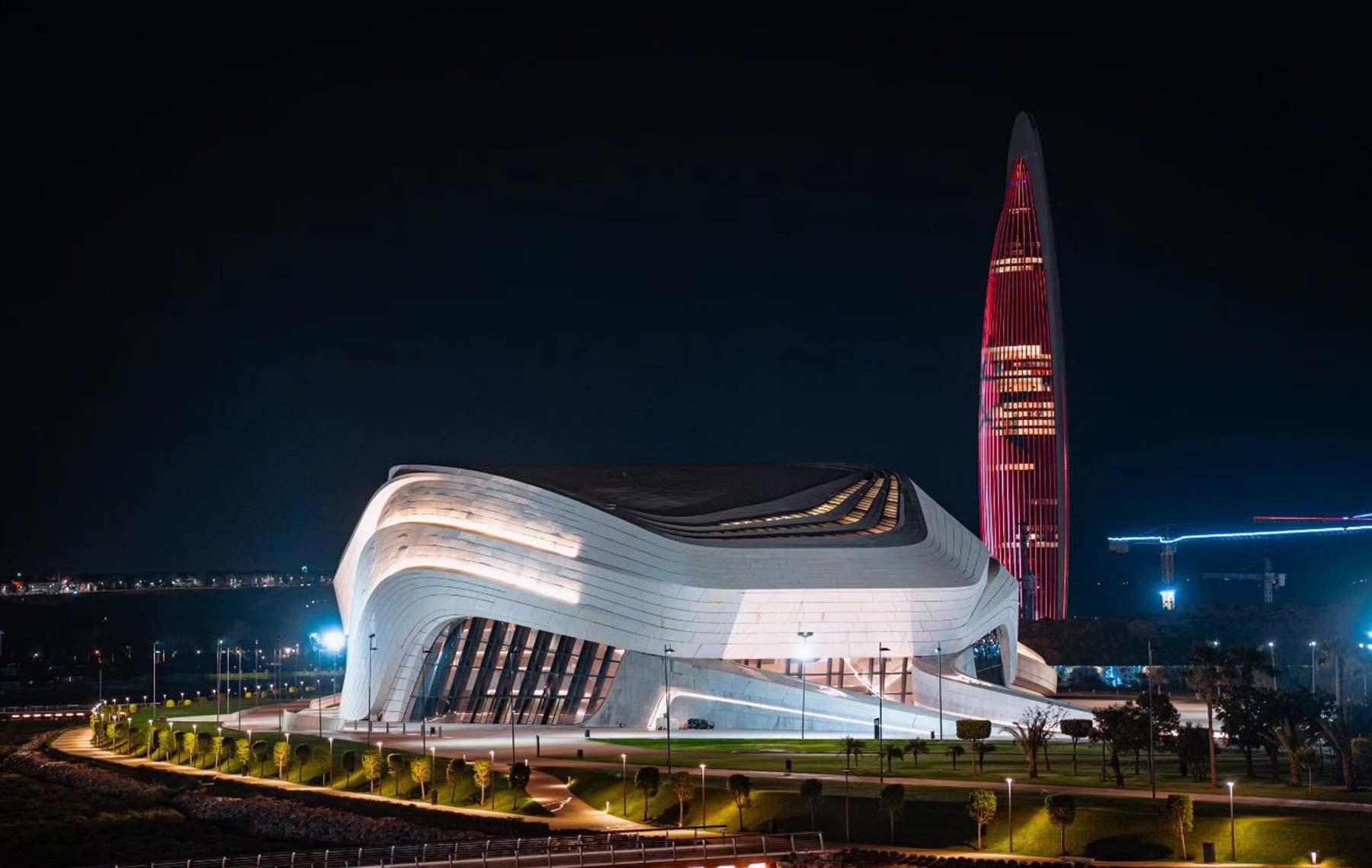
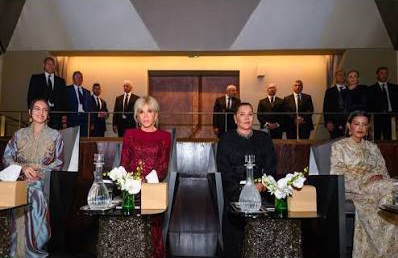
The long-awaited opening of the landmark venue, designed by late Iraqi-British architect Zaha Hadid, brought together members of the Moroccan royal family, senior cultural figures and international guests, including French First Lady Brigitte Macron. Princesses Lalla Khadija, Lalla Meryem and Lalla Hasnaa were also in attendance, underscoring the political and diplomatic weight attached to the occasion.
Located on the banks of the Bouregreg River between the Hassan Tower and the Mausoleum of Mohammed V, the Royal Theatre sits at a symbolic crossroads of Moroccan history and modern urban transformation. Its position links the country’s historical memory with its future-facing cultural and architectural ambitions, forming part of a wider redevelopment programme aimed at elevating Rabat into a leading cultural capital.
The project is a flagship element of the broader “Rabat, City of Lights, Morocco’s Cultural Capital” initiative, which combines urban regeneration, heritage preservation and large-scale cultural infrastructure development. Inaugurated in a performance led by Moroccan and international classical repertoire, the theatre’s opening night was described by organisers as a celebration of both artistic excellence and national identity.
Brahim El Mazned, the newly-appointed Deputy General and Artistic Director of the theatre, described the venue as “a symbol of architectural audacity and cultural ambition” reflecting the vision of the Moroccan monarchy. He said the opening marked “a major milestone in the cultural development and international influence of Rabat and Morocco.”
The inaugural performance featured around 100 Moroccan artists, including the Orchestre Philharmonique du Maroc and the Orchestre Symphonique Royal, conducted by pianist and conductor Dina Bensaïd. The programme blended Western classical works by Tchaikovsky, Bizet and Verdi with Moroccan and Andalusian musical traditions, performed by artists including oud master Driss El Maloumi and vocalists Ahlima Mhamdi and Samira Kadiri.
The new venue is equipped with a 1,800-seat main auditorium, a smaller theatre space, and a 7,000-seat outdoor amphitheatre, allowing it to host large-scale orchestral, theatrical and contemporary performances. Built with cutting-edge acoustic and stage technologies, it is intended both as a platform for international productions and a showcase for Moroccan artistic creation.
El Mazned, a veteran of Morocco’s cultural sector with more than 25 years of experience, has previously led major initiatives including the Timitar Festival in Agadir and the Visa For Music platform in Rabat, the first professional music market for Africa and the Middle East. His appointment signals an effort to position the theatre as a hub for cultural exchange between Morocco, Africa and the wider world.
The Royal Theatre project itself has been nearly two decades in the making. Initially conceived in 2010 at the request of King Mohammed VI, it was designed by Zaha Hadid, the first woman to receive the Pritzker Prize in architecture. Construction was completed in 2021 but the venue remained closed due to the pandemic and final programming arrangements. The total cost of the project is estimated at around €200 million.
Beyond its architectural significance, the theatre is seen as a strategic investment in Morocco’s cultural diplomacy and economic development. Authorities view culture as a driver of tourism, urban renewal and international visibility, with Rabat increasingly positioned as a destination for major cultural and artistic events.
The inauguration also reflects Morocco’s broader effort to project an image of stability, modernity and openness in a region marked by political uncertainty. By placing culture at the centre of its development model, Rabat is signalling a long-term strategy in which artistic infrastructure becomes an instrument of influence and national branding.
At its core, the Royal Theatre of Rabat represents a convergence of heritage and modernity, local identity and global engagement. More than a performance venue, it is intended as a cultural institution that embodies Morocco’s ambition to strengthen its soft power and redefine its place on the international cultural map.
No Responses